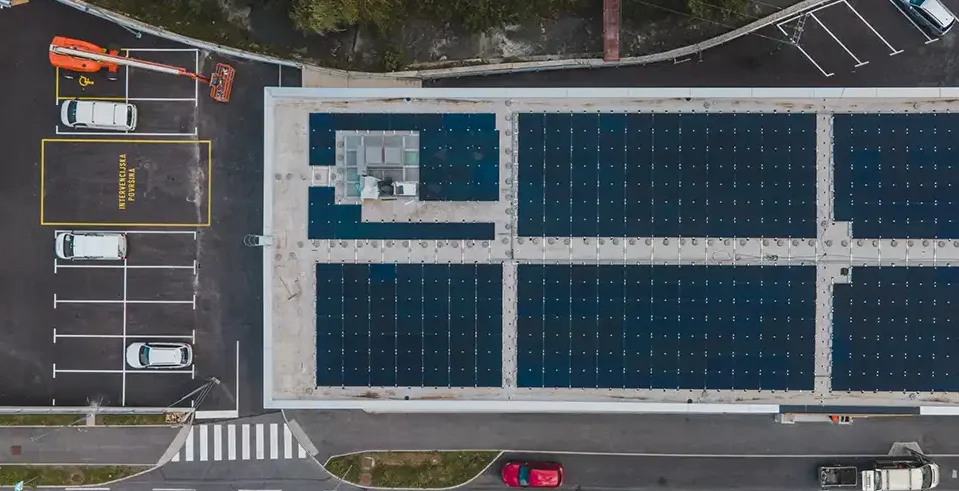

Discover how GE4ZERO system captures, stores, and reuses thermal energy – using solar power, underground boreholes, and intelligent real-time data management to achieve sustainable heating and cooling.
The science behind GE4ZERO System
Storing Heat Beneath Our Feet
Summer
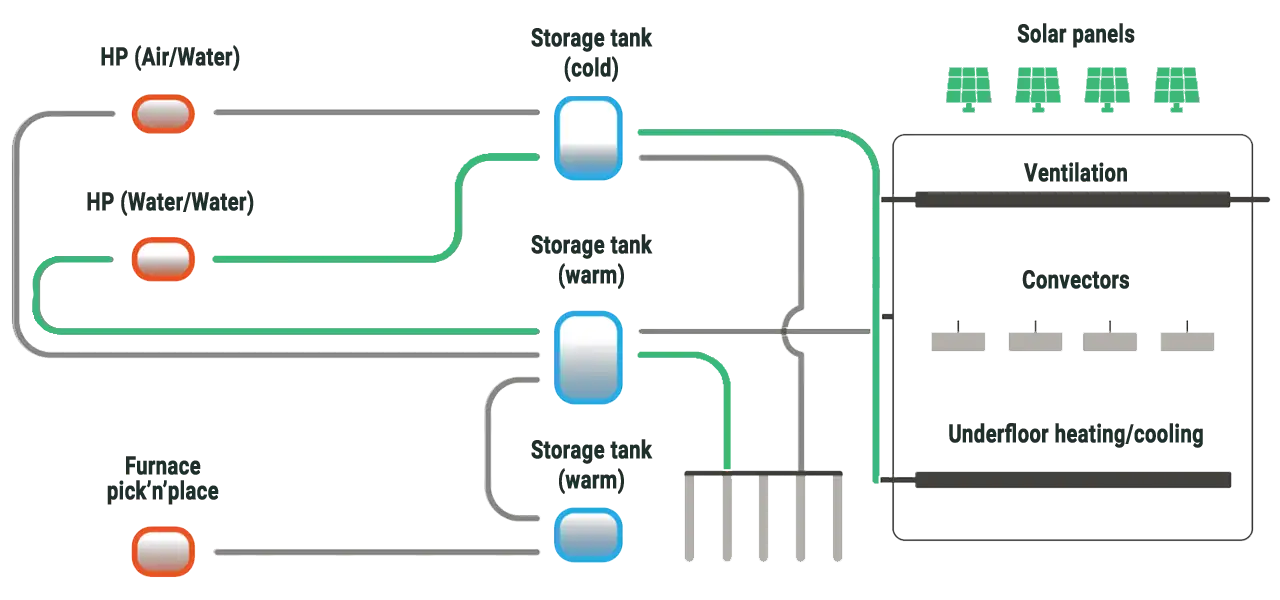
For summer charging of the BTES thermal storage, the GE4ZERO system uses heat generated by the heat pumps during the cooling of the company’s premises. In conventional cooling systems, this heat is wasted and released into the environment. GE4ZERO system captures it and stores it underground for winter use. The electricity required to operate the heat pumps is entirely supplied by rooftop solar PV panels, ensuring near-complete energy independence from the electrical grid. Additionally, the BTES can store heat from technological sources such as industrial equipment and furnaces during summer, further improving overall system efficiency.
Winter
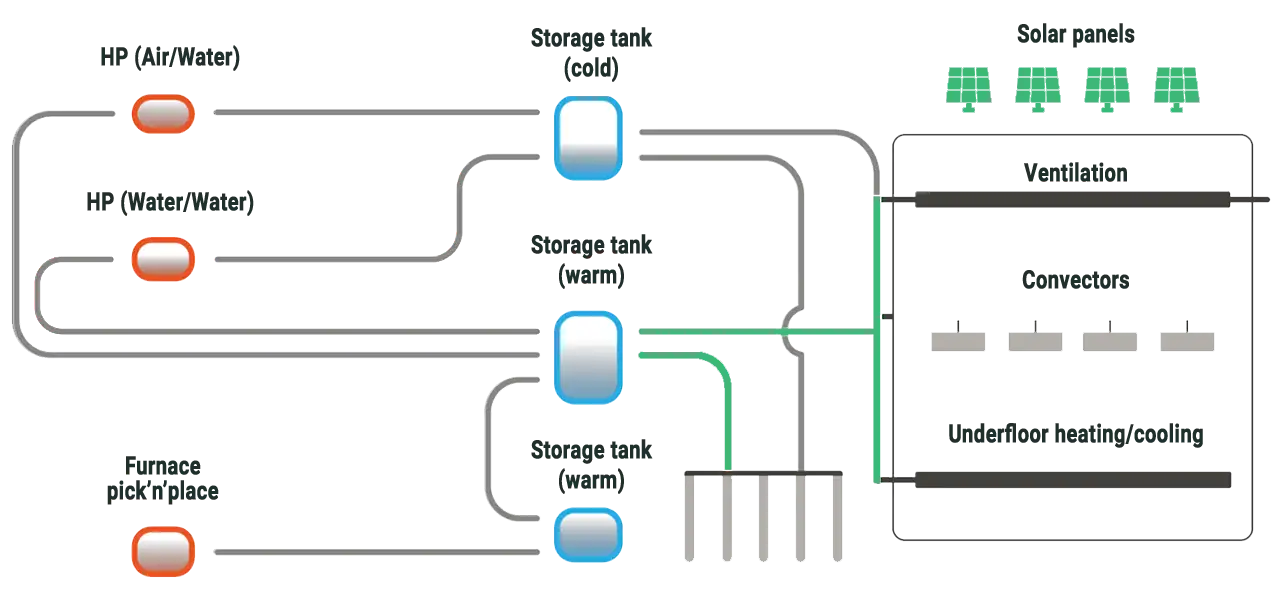
Once the GE4ZERO system reaches its planned thermal energy capacity, it can switch to winter mode whenever needed. In winter mode, the premises are heated through underfloor heating, convectors, and ventilation, requiring only circulation pumps. These pumps consume minimal electricity, which is entirely supplied by rooftop PV panels, even during winter when sunlight is limited, ensuring continuous energy independence.
Seasonal RT Efficiency
Seasonal RTE (Round-Trip Efficiency) is approximately 40–50%, depending on climate and soil composition. This means we retrieve about half of the thermal energy stored during the summer months for winter use, a key factor in calculating and designing the entire system.
Summer Energy Storage to BTES and Cooling of Facilities
Winter Energy Use from BTES and Heating of Facilities
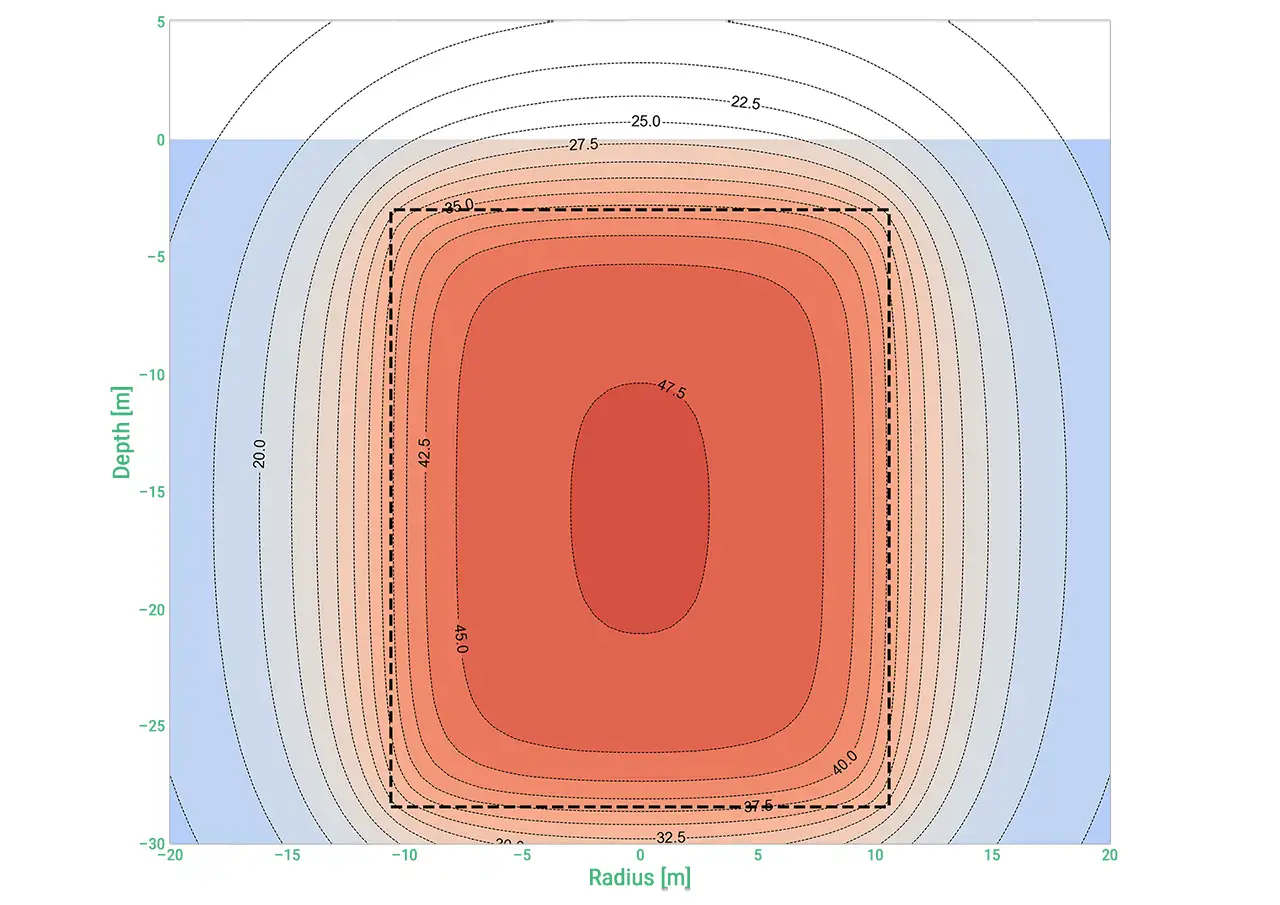
Storage temperatures at the end of the storing season
Storage temperatures at the end of the heating season
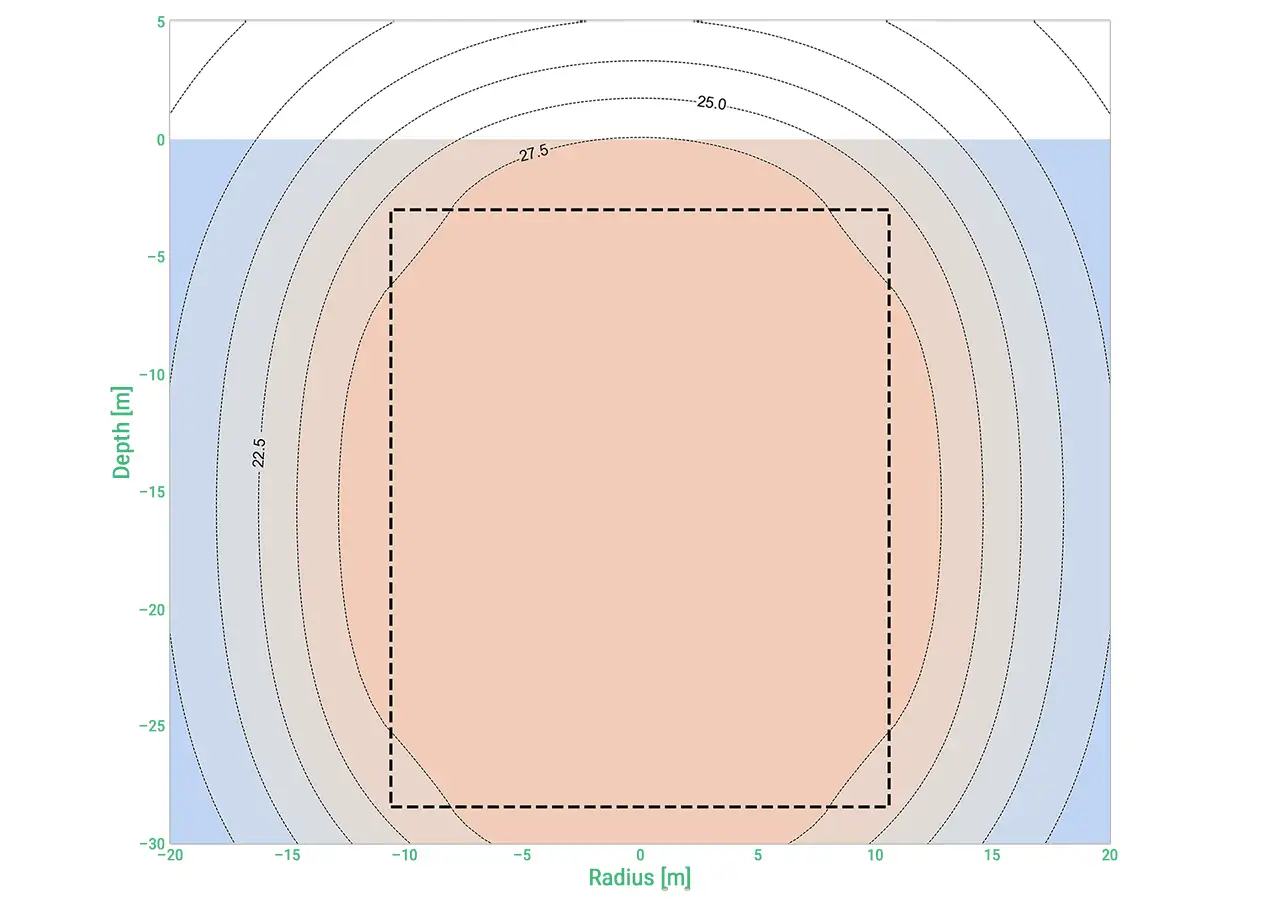
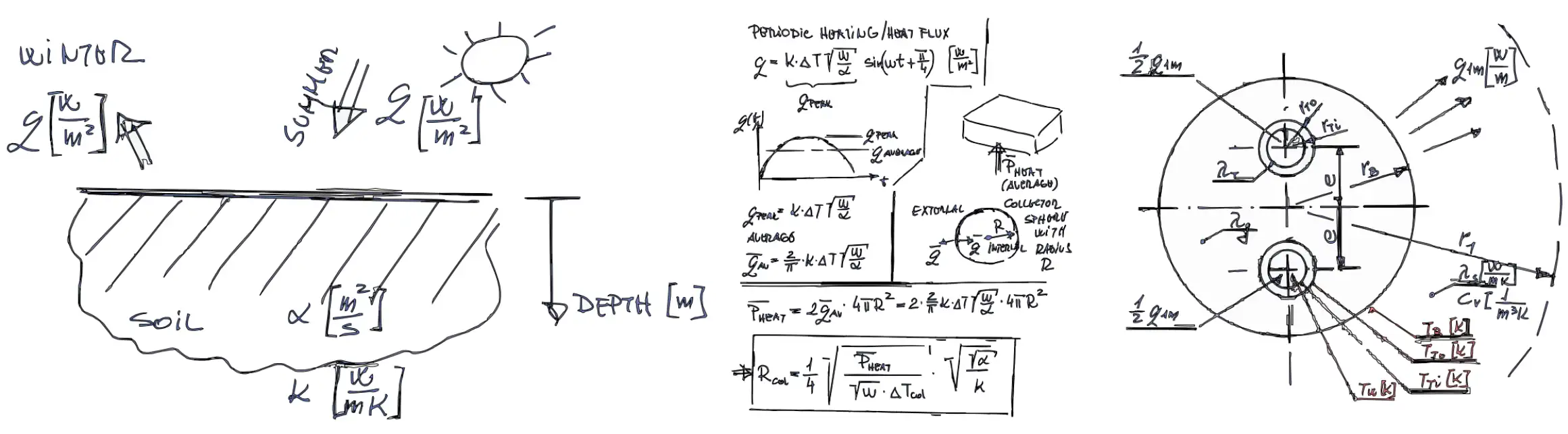
Theoretical understanding first
How the Components Work Together
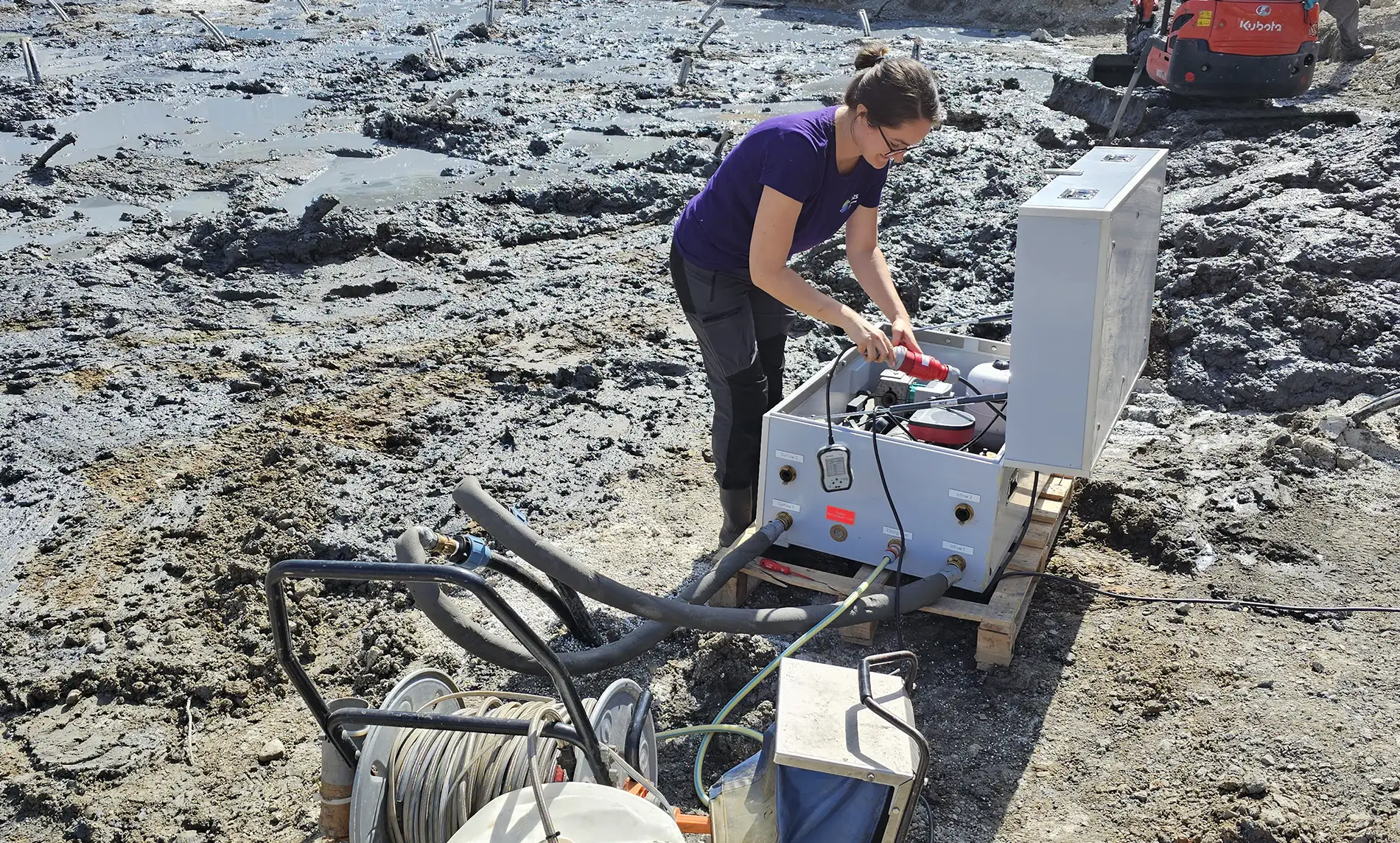
Thermal response test
Determine the thermal characteristics of the ground to support accurate system design.
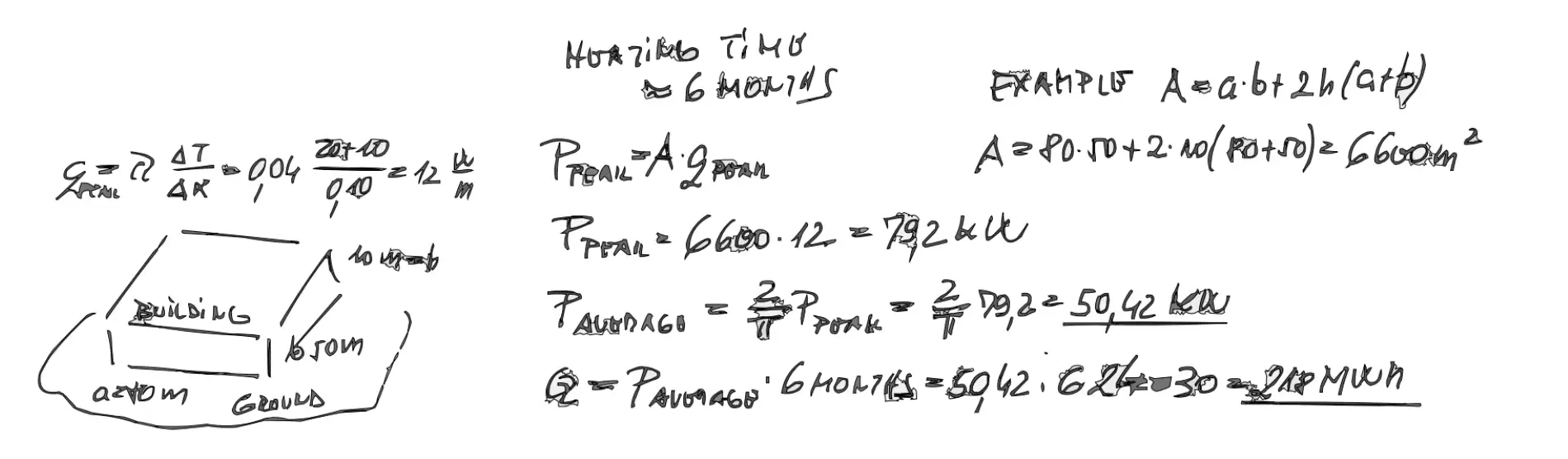
Defining Building Energy Requirements
Calculate how much heating and cooling the building needs throughout the year.
Analytical and Numerical Modeling
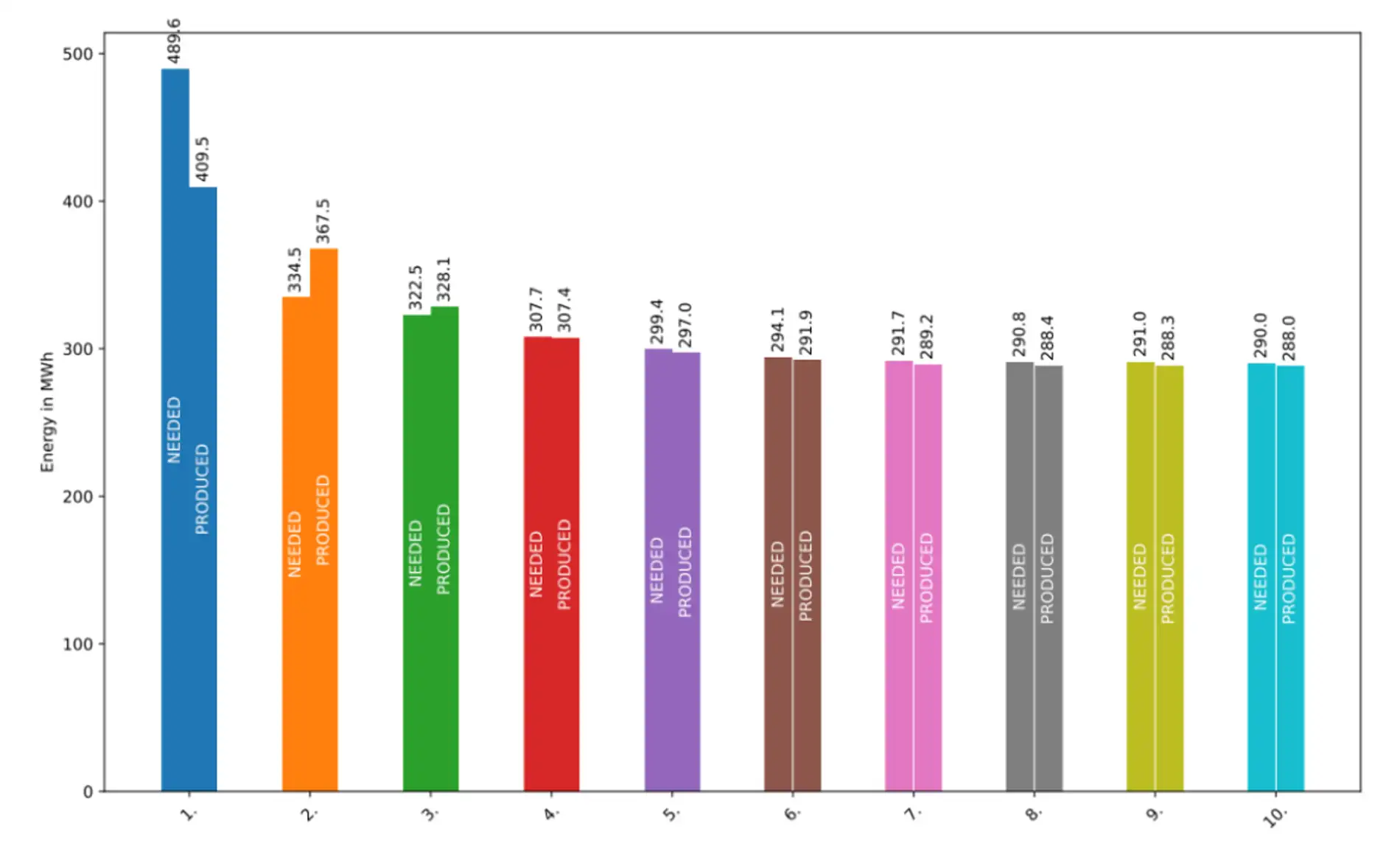
Determine the optimal size and configuration of the BTES field.
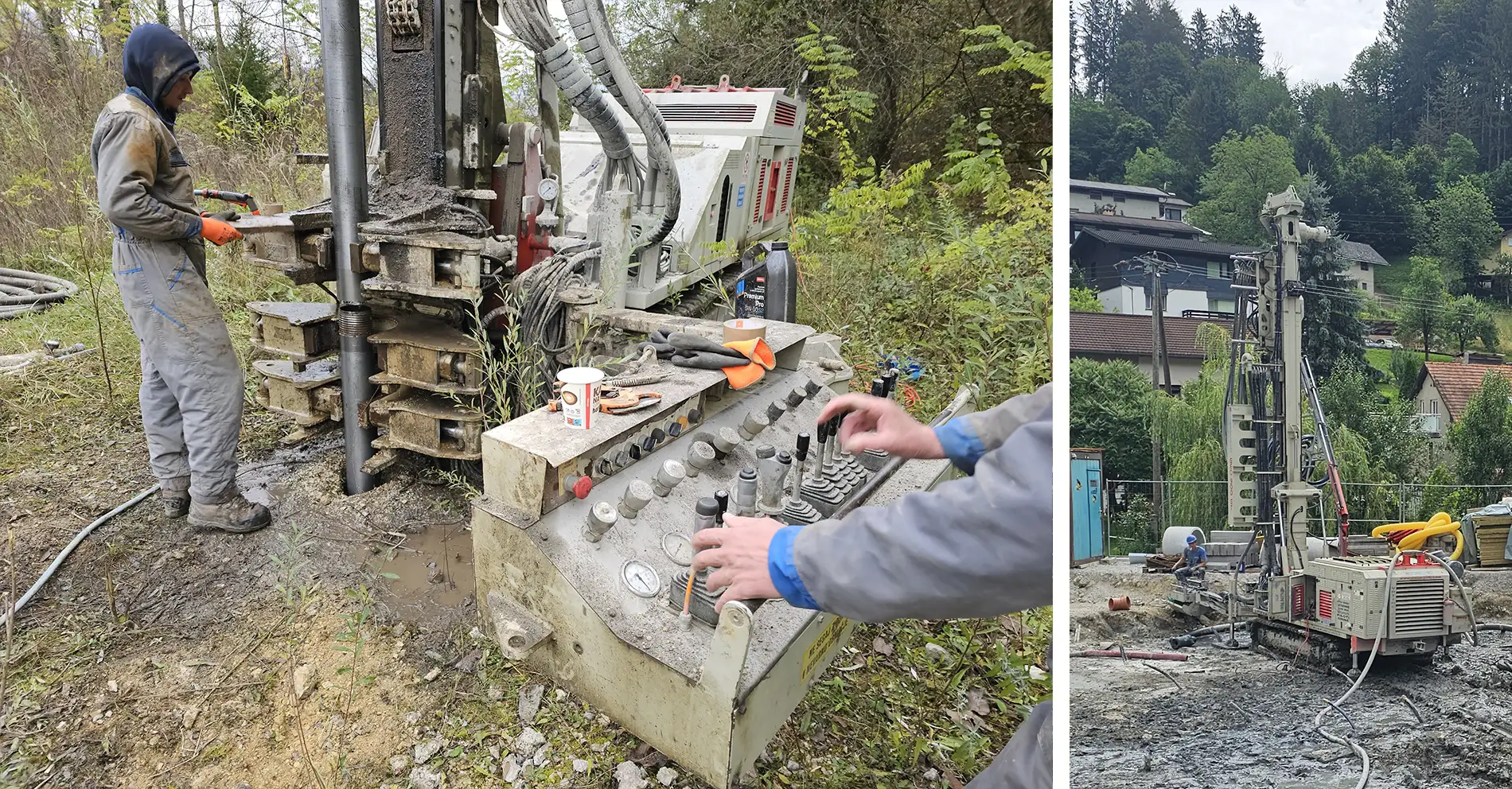
Drilling and Borehole lnstallation
Construct the underground heat storage infrastructure.
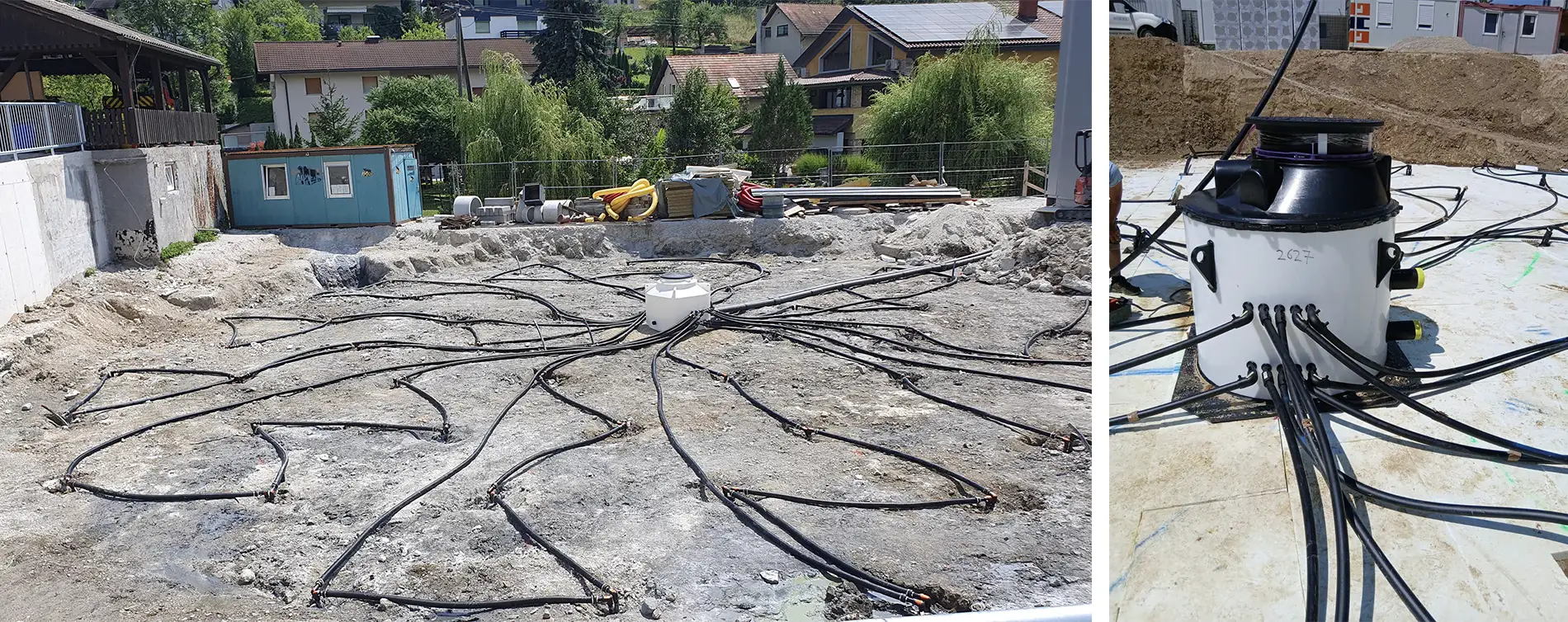
Connecting Boreholes and System lntegration
Connect the underground field with above-ground systems and monitoring components.
Comminisoning the system and regular use
Lorem ipsum dolor sit amet, consectetur adipiscing elit. Vivamus bibendum eu purus vitae malesuada.